
Let’s Build Your First
Classroom Win!
Remember:
“The Best Classrooms aren’t built overnight. They’re built one great lesson at a time.”
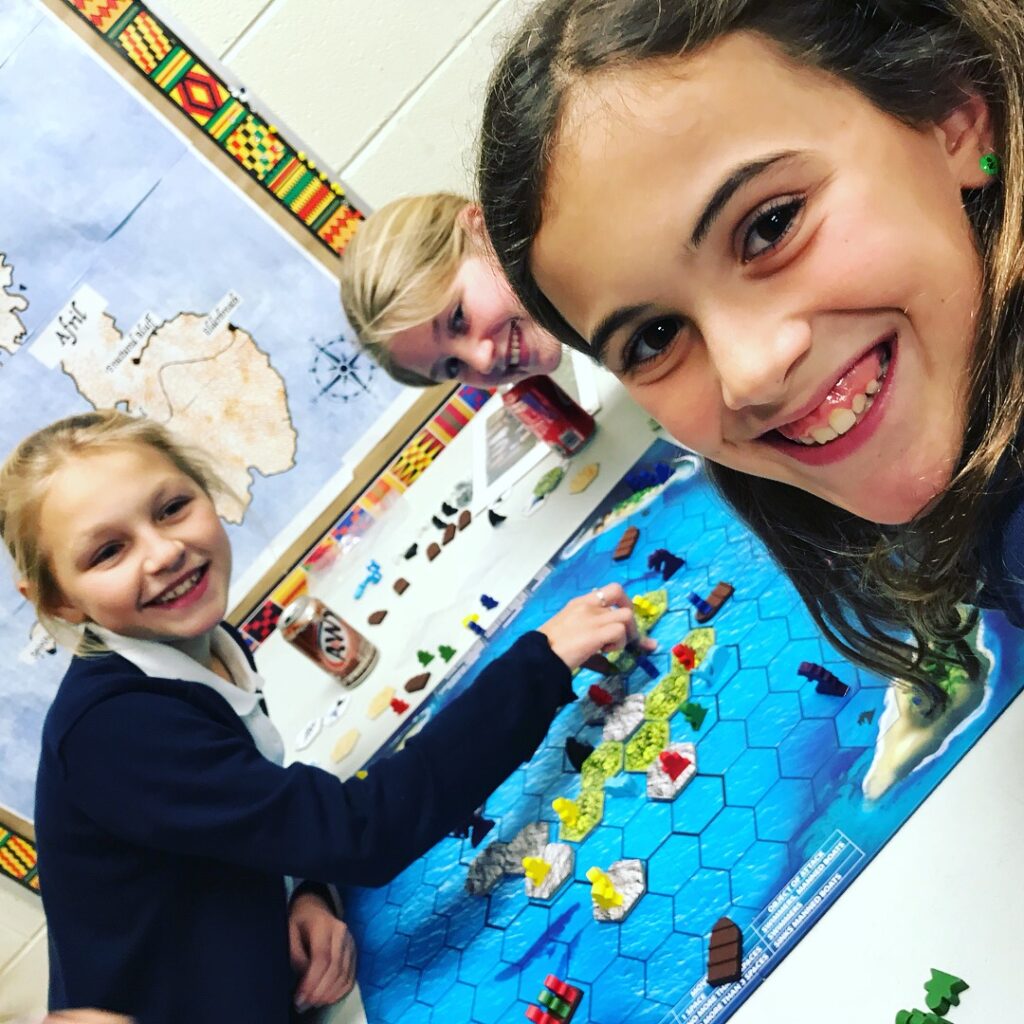
Welcome back Welcome back! It’s great to see you!. It’s great to see you.
Welcome back, all! Michael Matera here. John and I are so excited to welcome you to the world of resources we’ve created for you in the EMC² Learning platform. As we get started together, think of this as your instructional coach sitting beside you. Instead of handing you hundreds of resources, we’ll start by helping you choose the right first step for where your classroom is today.
Before We Recommend Anything…
One of the biggest mistakes teachers make is looking for the “perfect” lesson. Instead, start with one simple question: What would make my next lesson feel like a success?
So let’s treat this planning exercise as a sort of choose-your-own-“ed”-venture (see what we did there!?). Which of these four options feels like the best place to start your journey today?
 |
 |
|
 |
 |
Creativity Isn’t Magic.
It’s a skill.
One of the biggest myths in education is that students are either creative or they aren’t. I don’t buy that. Creative thinking grows every time students are challenged to combine ideas, explore possibilities, and explain the reasoning behind their thinking.
That’s exactly why I’m recommending Emoji Kitchen.
On the surface, it looks playful. Students combine emojis to invent something entirely new. But underneath, they’re practicing one of the most valuable habits of creative thinking: taking familiar ideas and combining them in unexpected ways. It’s a simple activity that works across grade levels and content areas, and it’s one of my favorite ways to remind students that creativity isn’t something you’re born with. It’s something you practice.
Why I’d Start Here…
In this short video, I’ll share why Emoji Kitchen is such a powerful way to develop creative thinking, what surprised me the first time I used it, and a few coaching tips to help your students move beyond the obvious.
Easy Entry Point – Your First Classroom Win!
If you’re looking for the easy way to experience what EMC2 Learning is all about, I’d start with Story Spinners.
I’ve used this learning experience with students year after year because it checks so many boxes. It’s simple to facilitate, requires very little preparation, and immediately gets students talking, thinking, and making meaningful connections. Better yet, it works with almost any grade level or subject, making it a fantastic first step no matter what you teach.
Before you jump in, I want you to know one thing.
Don’t expect perfection on the first round.
Story Spinners isn’t designed to help students find the right answer. It’s designed to help them become more comfortable taking creative risks, explaining their thinking, and learning from one another. Those skills grow quickly when students have multiple opportunities to practice.
Below, I’ve recorded a short video sharing why this is one of the very first learning experiences I use each year and a few coaching tips that will help your first experience be a success.
When you’re ready, you’ll find everything you need to understand the activity, why it works, and how to make it your own. Then, with one click, you’ll be able to jump straight into the Story Spinners resource and start planning your next lesson.
Why I’d Start Here…
In this 7-minute video, I’ll explain why Story Spinners is one of the first learning experiences I use every year, what to expect from your students, and a few coaching tips that will help your first experience be a success.
Review Without the Groans
We’ve all been there. You announce that it’s time to review, and suddenly the energy in the room disappears. Students brace themselves for another worksheet or a long list of questions, and what should be an opportunity to strengthen learning begins to feel like a chore.
That’s exactly why I’m recommending Facts & Fibs.
This activity turns review into a challenge where students become the creators instead of just the responders. As they work together to write convincing facts and believable fibs, they’re revisiting key concepts, uncovering misconceptions, and thinking more deeply about the content than they would in a traditional review. The laughter is real, the competition is friendly, and the learning is surprisingly powerful.
Why I’d Start Here…
In this short video, I’ll share why Facts & Fibs has become one of my favorite review activities, the instructional principle that makes it so effective, and a few coaching tips to help you get the most out of every round.
Next, I’ll walk you through how the activity works, explain why it leads to stronger learning, and share the facilitation moves that help students create thoughtful facts, convincing fibs, and meaningful conversations.
Every Voice Matters
One of the biggest challenges in any classroom discussion is making sure every student has the opportunity to contribute. Too often, the same voices dominate while quieter students hesitate to jump in. The Microlab Protocol changes that by giving every learner structured thinking time, dedicated speaking time, and the confidence that comes from knowing their ideas will be heard.
Microlabs are simple to facilitate, require virtually no preparation, and can be used in any subject area. By gradually increasing students’ speaking time throughout the year, you’ll help them build the confidence, stamina, and communication skills needed for richer classroom conversations. It’s an easy routine that can become a powerful part of your classroom from day one.
Why I’d Start Here…
Watch the short coaching video to learn why this routine has become one of my favorite ways to build confident speakers and create discussions where every voice truly matters.
Ready to Teach
Ready to give Microlabs a try? The Classroom Guide walks you through exactly how to facilitate your first Microlab, from setting up student groups to using the timer and leading the discussion. In just a few minutes, you’ll be ready to create your first classroom win.