
If it’s felt harder lately to get students to stay focused, follow through, and speak up, you’re not imagining things. The Financial Times recently shared new data showing that over the past decade, young adults have seen a sharp drop in traits like conscientiousness (staying organized, finishing what you start), agreeableness, and extroversion. At the same time, levels of anxiety and self-doubt are climbing — a shift many experts link to rising phone and internet dependency, constant digital distraction, and fewer face-to-face interactions.
For teachers, that’s… not good news.
Let’s take a peek at the charts to get a better handle on just how bad is bad (according to national surveys):
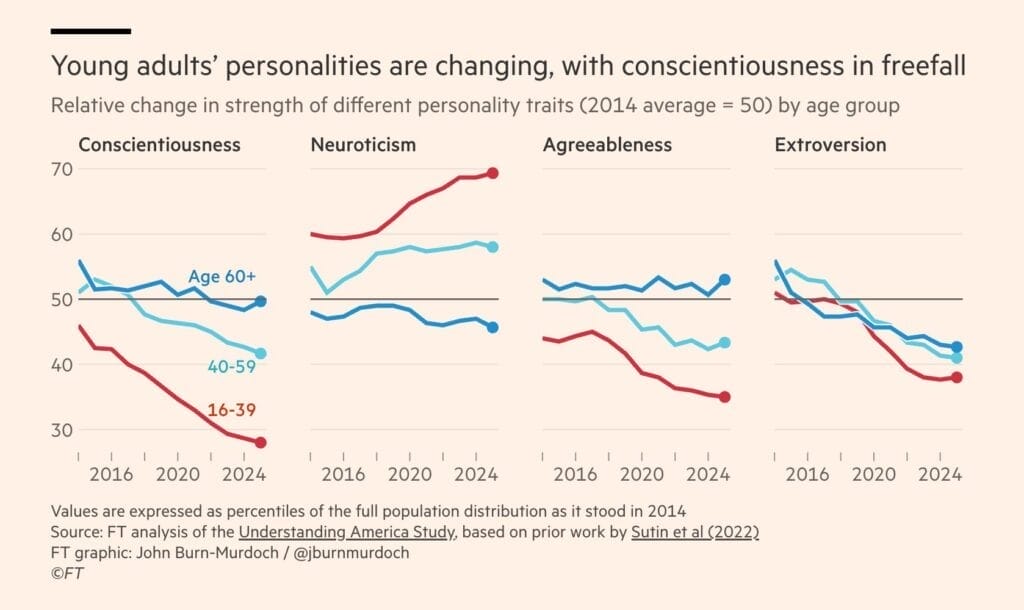
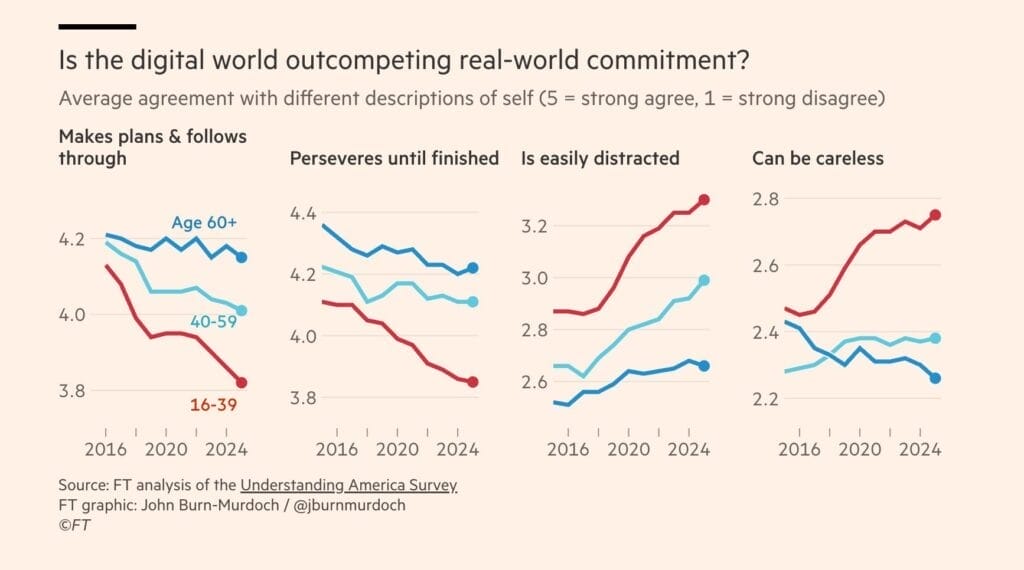
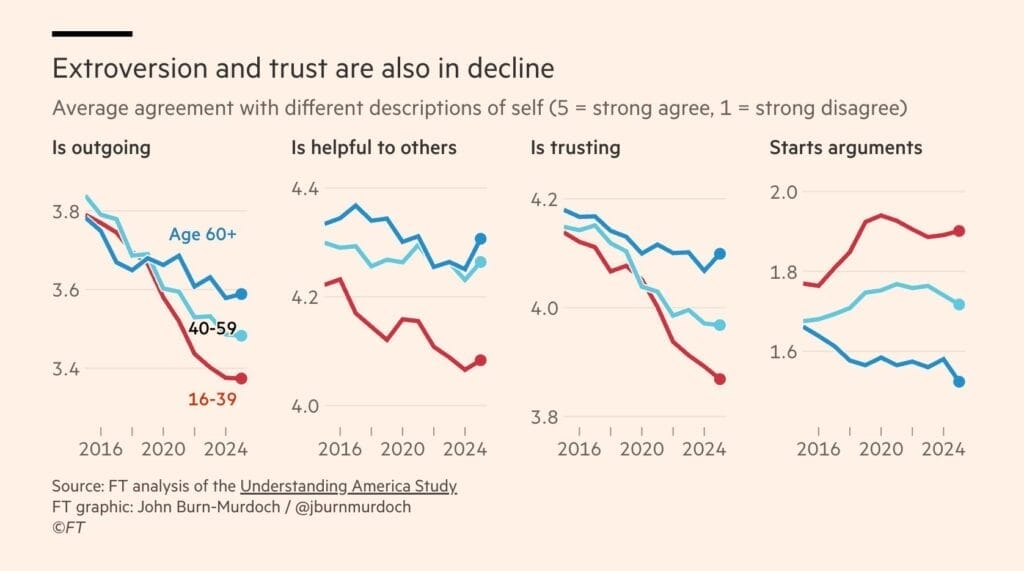
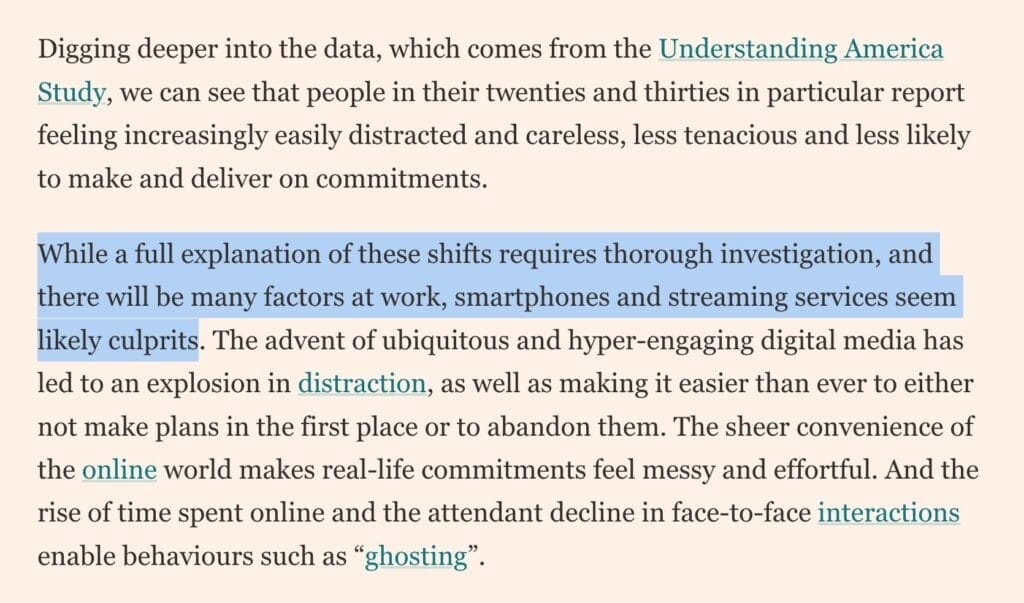
Yikes, right?
That combination is a tough one for students — and for the teachers trying to help them thrive. Lower conscientiousness is tied to reduced productivity, poorer health habits, and less durable relationships. Declining extroversion and agreeableness make collaboration and class discussion more challenging. And rising neuroticism can make even small academic risks feel overwhelming.
At EMC² Learning, we believe the best way to push back on these trends isn’t with more screen time or sit-and-get lectures. It’s by designing learning experiences where students can practice the very skills that are slipping: persistence, focus, collaboration, and confidence. That means getting them unglued from their phones, leaning into challenges when the answers aren’t obvious, and speaking their ideas aloud in ways that feel safe, fun, and meaningful.
So what does all this theory look like in action? Let’s take a closer look at one of EMC² Learning’s latest resources to show how we design activities to push back against these troubling trends — and you can even grab a free local copy to try it yourself.
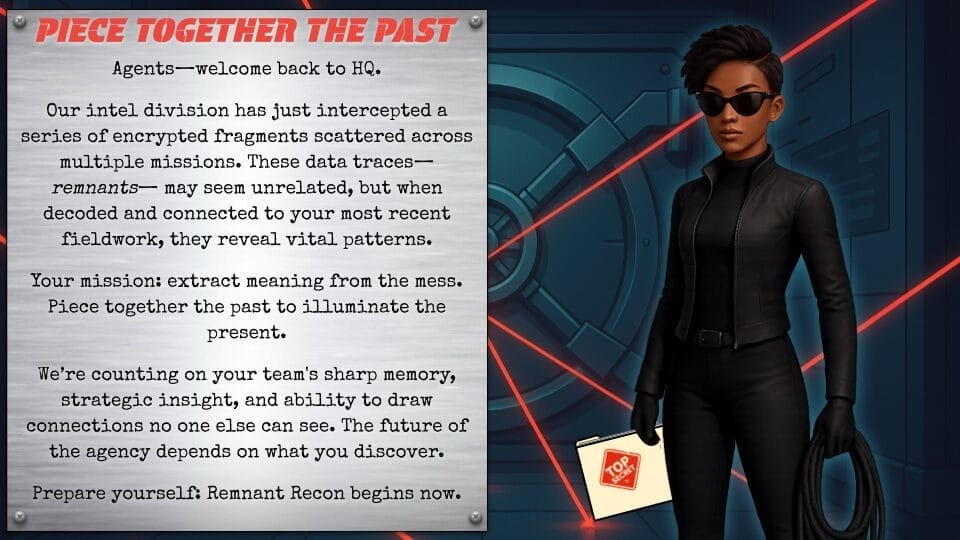
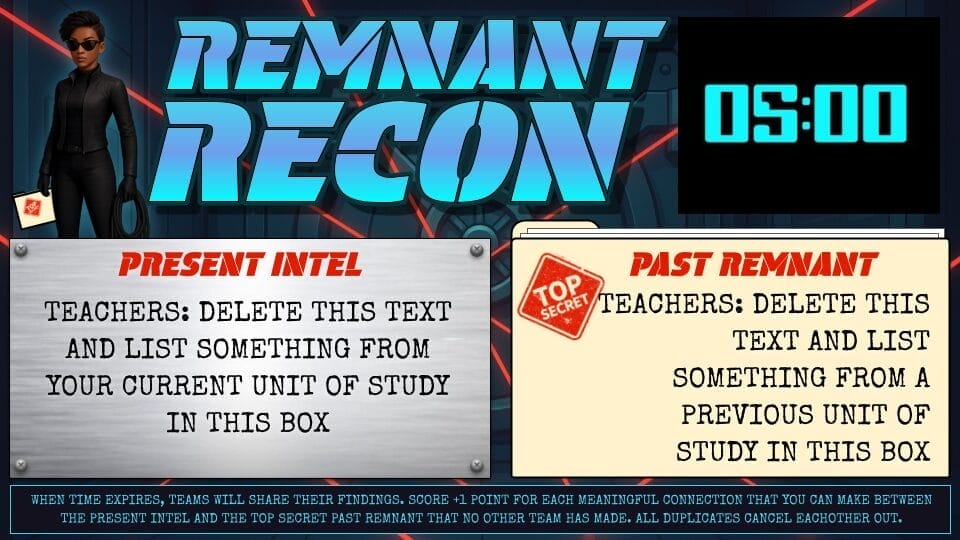
Inside the Design: Remnant Recon
On paper, EMC² Learning’s Remnant Recon activity is little more than a classic example of a proven teaching strategy known as “spiraling review.” You know the drill: students revisit past material and connect it to current learning to deepen understanding and boost long-term retention. That’s been a cornerstone of good instruction for decades, right?
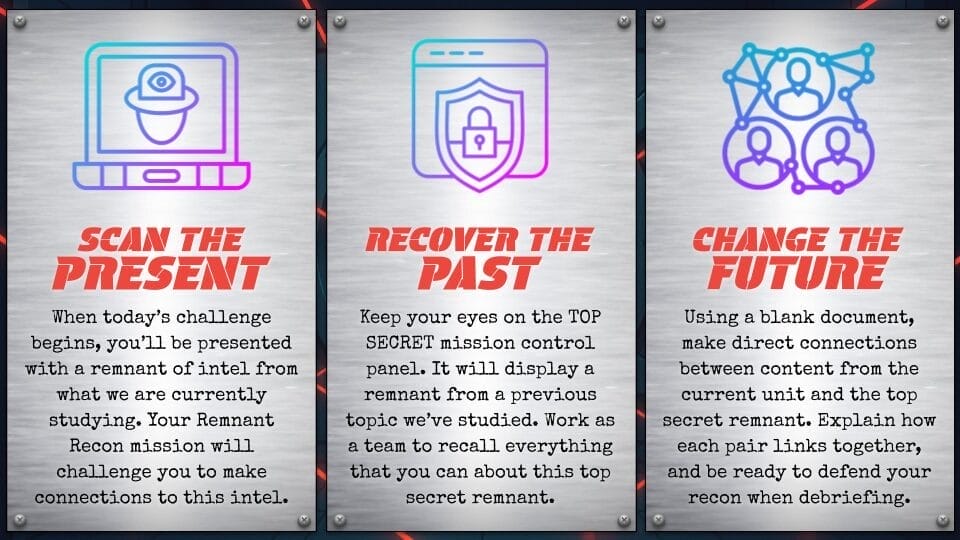
The EMC² twist: we’ve wrapped this tried-and-true practice in a lively, team-based mission that gets students moving, talking, and taking ownership of the connections they make. And now, instead of a worksheet or a teacher-led review, students work in small teams to:
Scan the Present:
Start with a PRESENT INTEL prompt from the current unit and capture key ideas.
Recover the Past:
Respond to a PAST REMNANT from a previous unit of the teacher’s choice, recalling everything they remember.
Change the Future:
Build and defend direct, well-reasoned connections between the two concepts. Simply brief the class on how the activity plays out, and watch your students set to work scoring points for all sorts of unique, justified links.
In just one class period, students recall prior knowledge, synthesize new information, and explain their thinking aloud — all while working collaboratively under time constraints. This simple, playful twist stands in direct contrast to the troubling skill declines highlighted in the Financial Times article, and with little to no extra prep for teachers, this gamified design strengthens:
- Conscientiousness:
Students must follow a process, stay organized, and deliver a product within a deadline. - Extroversion:
Frequent, low-stakes presentations normalize speaking to peers. - Agreeableness:
Success depends on listening, compromising, and integrating teammates’ ideas. - Resilience: The time-boxed, gamified format makes challenging work feel achievable and even fun.
To be clear: we don’t have to turn every student into a social butterfly. Introversion isn’t a bad thing! But we absolutely need to make that every learner under our care finds small ways to feel comfortable and confident using their voice, collaborating with peers, and engaging in meaningful face-to-face interactions.
Whether it’s Remnant Recon or dozens of other EMC² Learning resources, our gamified, student-centered approach to teaching and learning help schools encourage exactly the kinds of behaviors the data says are in decline. If the trends show distraction, withdrawal, and anxiety rising, then our classrooms must become the training grounds for focus, connection, and courage.
Here at EMC² Learning, we believe that play isn’t a nicety, it’s a necessity. And we design all kinds of student-centered resources to help get their classes back into the game no matter what content they teach. With intentional design (and a clever bit of creative lesson planning), we can put our students squarely in the center of classrooms that help them develop the skills they need to succeed long after the final bell has sounded. And to do that, perhaps all we need to do is find creative ways to help them take the first step.
Game on, y’all!
The activity featured in this blog post is just a sample of the 1000+ resources available and on their way to arrive shortly in the EMC² Learning library. This entire library is available to all members with an active account to our resources, and is included with your annual site membership. We hope you’ll consider joining us as an Engagement Engineer to unlock a full year of site access. For complete details including our exclusive limited time offer for annual site membership, click here.