
Vocabulary review can get stale fast. Even when the content matters, it is easy for practice to slide into the same familiar routine of definitions, matching, flashcards, and worksheets. Sometimes those tools are exactly what students need, but sometimes the room is begging for something with a little more movement, personality, and unpredictability.
That is where Sketchy Business comes in. Our newest EMC² Learning collection takes vocabulary review in a much more playful direction, with a lineup of fast classroom challenges built to get students thinking, talking, drawing, guessing, laughing, and generally making a mess of things in the best possible way.
One Collection. Seven Different Twists.
The fun of Sketchy Business is that the games feel connected without feeling repetitive. Each one takes the same general spirit and sends it somewhere different, which means teachers can return to the collection again and again without students feeling like they are playing the exact same activity in a different costume.
Some versions put pressure on the artist. Others change the way teammates have to work together. A few introduce limits involving time, space, or control, while another keeps just enough information hidden to make the final reveal much more interesting. The rules shift from game to game, but the goal stays the same: make review feel less like something students have to get through and more like something they actually want to play.
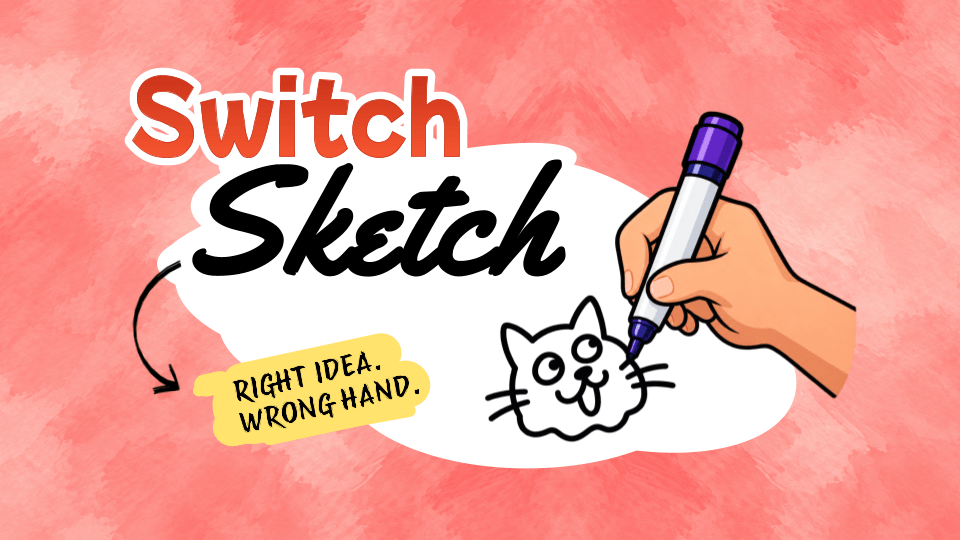
Switch Sketch
Switch Sketch starts with a perfectly reasonable idea and immediately makes it harder than it needs to be. Students may know exactly what they want to communicate, but getting that idea onto the page is another story entirely. The results tend to be shaky, strange, and occasionally spectacular for all the wrong reasons. That is part of the charm. This one is quick to understand, easy to launch, and a great introduction to the collection because the challenge becomes obvious almost immediately.
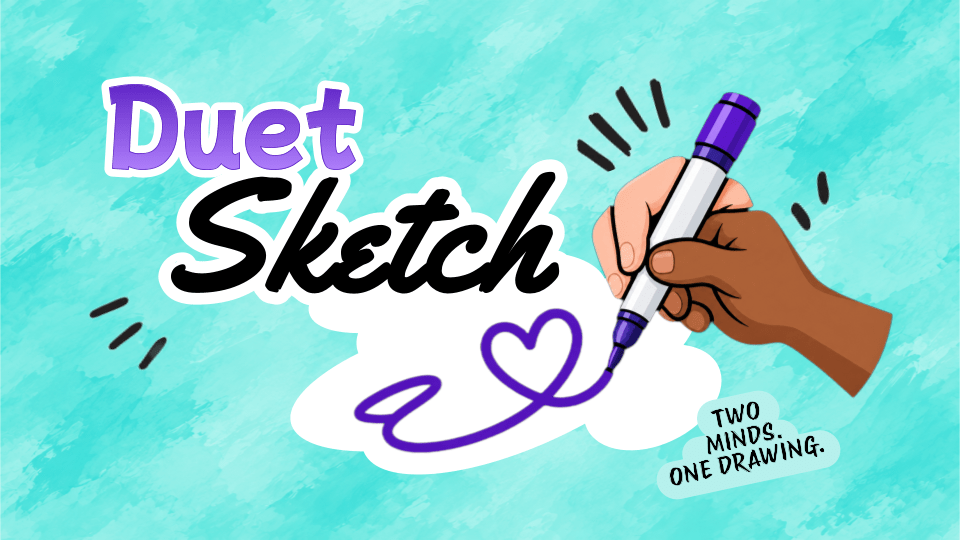
Duet Sketch
Things get more complicated when control of the drawing no longer belongs to just one person. Duet Sketch turns the page into shared territory, which means students have to work together while the picture slowly becomes whatever the group can collectively manage. There is plenty of room for cooperation, crossed signals, and the occasional artistic disagreement. The end result may or may not resemble what the team imagined at the beginning, but watching them try to get there is half the fun.
Sketchy Directions
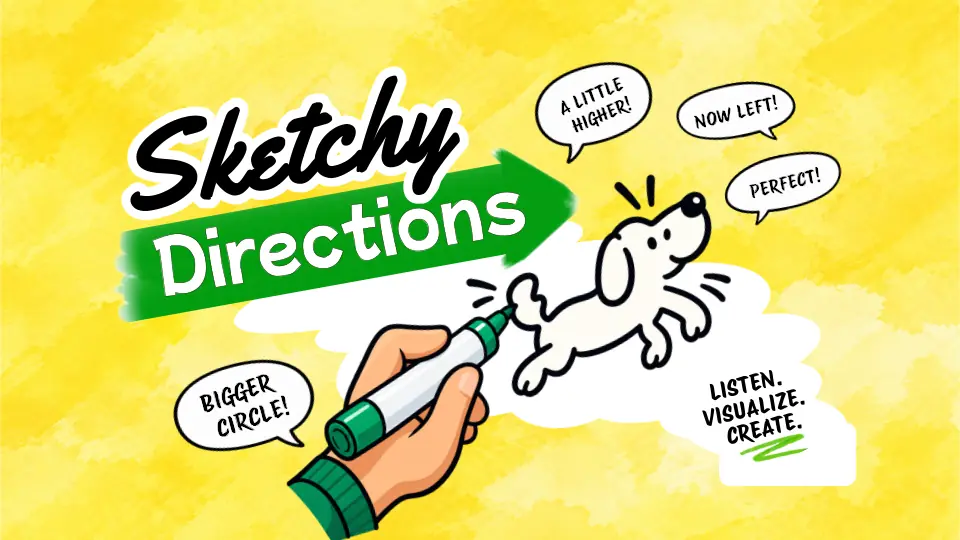
Some people are great at explaining things until they actually have to explain where a line should go on a piece of paper. Sketchy Directions puts that problem front and center. This version turns communication into part of the challenge and has a wonderful tendency to make very ordinary phrases suddenly feel completely inadequate. “Move it over a little” sounds simple enough until everyone realizes they have four different ideas about what “over” means.
Speedy Sketch
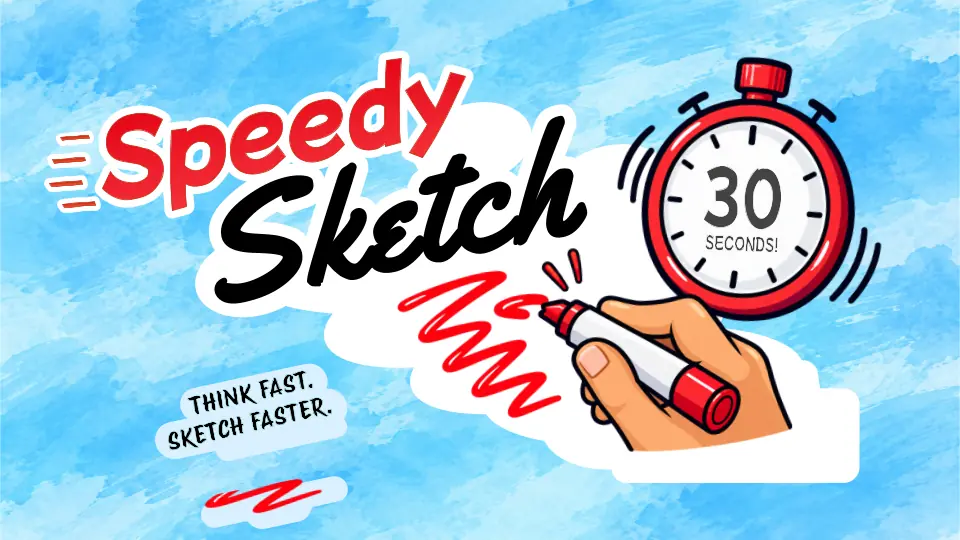
Speedy Sketch adds one thing guaranteed to make any drawing challenge more exciting: a clock.
The amount of time can change from round to round, which keeps teams from settling into one comfortable rhythm. Sometimes they have enough time to think. Sometimes they barely have enough time to react. Either way, the countdown adds just enough urgency to make every round feel different from the last.
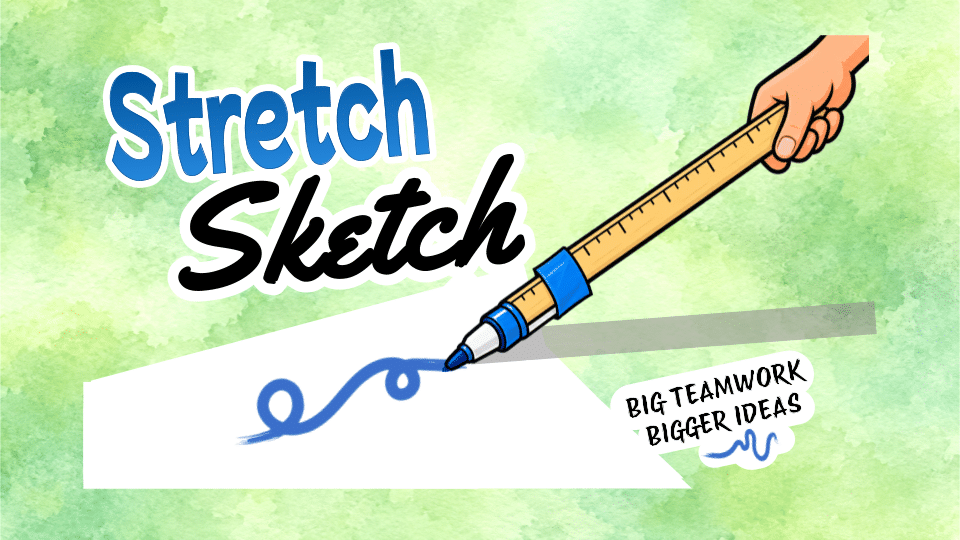
Stretch Sketch
If holding a marker normally feels a little too easy, Stretch Sketch can take care of that. This one introduces a wonderfully awkward bit of distance between the artist and the page, turning simple movements into much larger ones. The drawings get unpredictable quickly, and students discover that control is something they probably took for granted right up until the moment it disappeared.
Sketch Squeeze
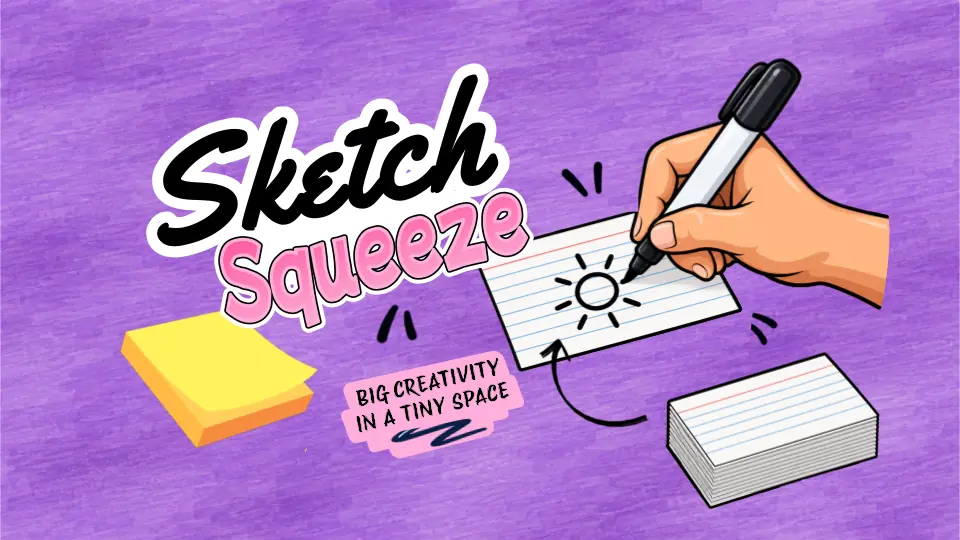
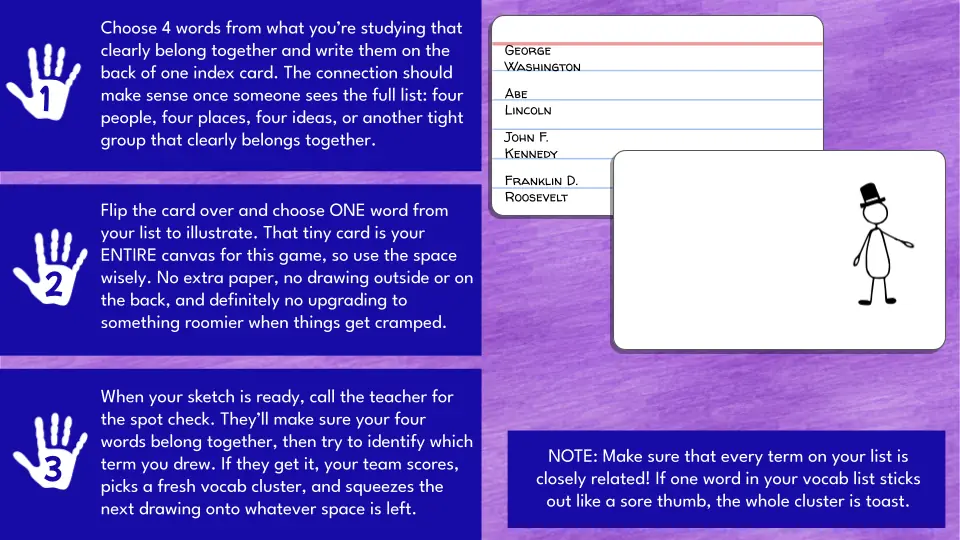
Sketch Squeeze might just be our favorite installment in this collection, as it proves that a little space can create a lot of chaos. What begins as a manageable drawing challenge gets more interesting as the available real estate starts disappearing. Teams have to keep working with what they have, which means every new round brings a little more pressure and a little less room to maneuver. By the end, the page itself becomes part of the story.
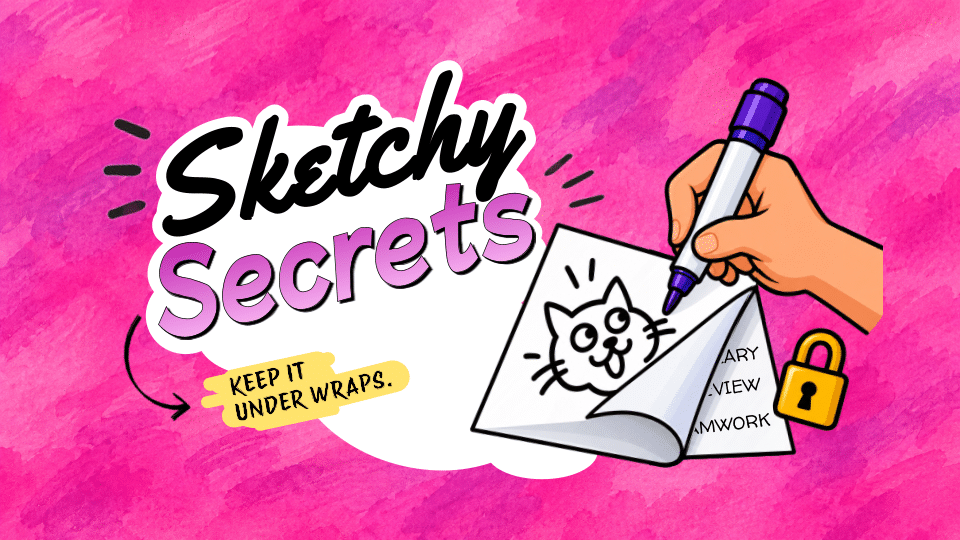
Sketchy Secrets
Every collection needs one version that feels just a little more dangerous. Sketchy Secrets is ours. This challenge keeps part of the information under wraps and asks the final sketch to carry much more of the weight. That makes the teacher guess feel riskier, the reveal feel bigger, and the occasional completely wrong answer even funnier.
Why We Built the Collection
The goal with Sketchy Business was not to create one more vocabulary activity. It was to build a collection teachers could keep coming back to when review needed a reset.
That is why the games are designed to be flexible. They can travel from science to social studies, ELA to math, world language to electives, because the fun comes from what students do with the content rather than from any one subject area. Teachers can bring their own material, choose the version that fits the room that day, and get playing without turning the activity into a production.
The variety matters too. A class might respond really well to the unpredictability of Speedy Sketch one day and the teamwork of Duet Sketch the next. Another group might love the ridiculousness of Stretch Sketch or the tension of Sketchy Secrets. The collection gives teachers options without requiring them to learn an entirely new system every time.
Seven Ways to Get Sketchy
That is the heart of the lineup: lots of different ways to play, all living under one recognizable umbrella. Students get variety. Teachers get flexibility. Vocabulary review gets a much-needed personality upgrade.
And we are just getting started!