
There is a particular kind of classroom noise we will happily take every single time.
Students leaning across tables. Questions flying back and forth. Someone defending an idea. Someone else poking holes in it. A student who normally hangs back suddenly jumping into the conversation because they have a piece of information everyone else needs.And, occasionally, someone looking a classmate dead in the eye and saying, “I absolutely do not trust you.”
Welcome to Teams and Turncoats.
Our newest EMC² Learning collection takes inspiration from social deduction games and turns that wonderfully suspicious energy into a classroom experience built around communication, collaboration, critical thinking, and play.
We ask students to collaborate all the time. Turn and talk. Discuss with your group. Share your thinking. Compare answers. But meaningful collaboration gets a whole lot easier when students have an actual reason to need one another.
That’s what makes social deduction such an interesting structure for the classroom. In scenarios like these, different players enter the experience with different information, different questions, and different reasons to pay attention. Suddenly, listening isn’t something the teacher is asking students to do. It’s something the game demands.
But let’s be clear: there is still a TON of learning going on as these “fun and games” unfold in the classroom. Students need to ask good questions. They need to notice inconsistencies and read non-verbal cues from their classmates. They need to decide which information matters and which information might lead them astray. They have to communicate clearly enough to convince someone else, while remaining skeptical enough not to believe everything they hear.
In other words, the fun comes from exactly the kinds of thinking and communication we want students practicing anyway.
But let’s be clear: there is still a TON of learning going on as these “fun and games” unfold in the classroom. Students need to ask good questions. They need to notice inconsistencies and read non-verbal cues from their classmates. They need to decide which information matters and which information might lead them astray. They have to communicate clearly enough to convince someone else, while remaining skeptical enough not to believe everything they hear.
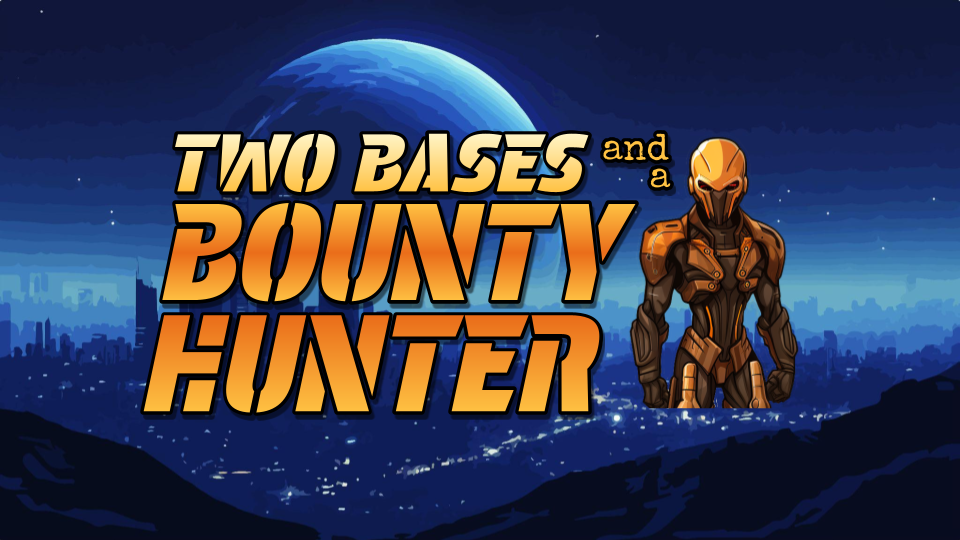
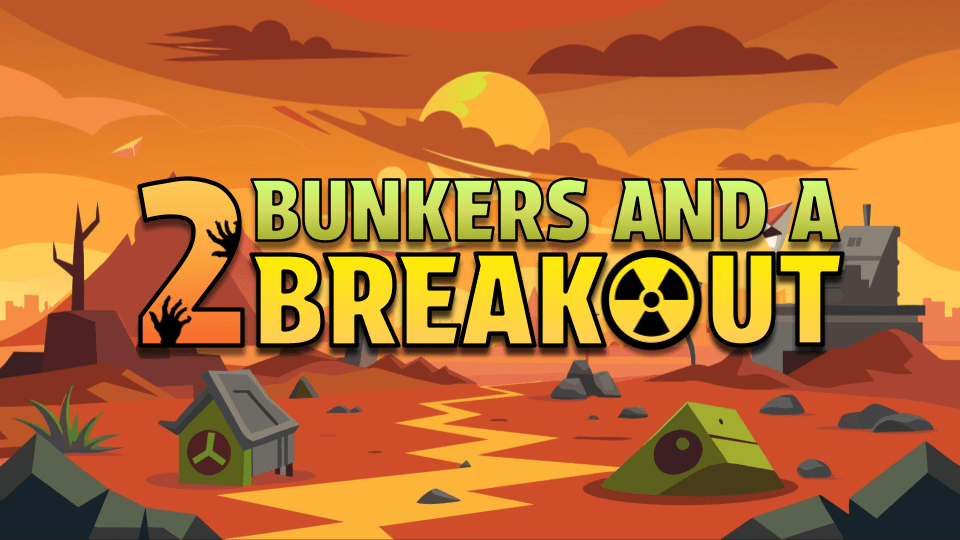
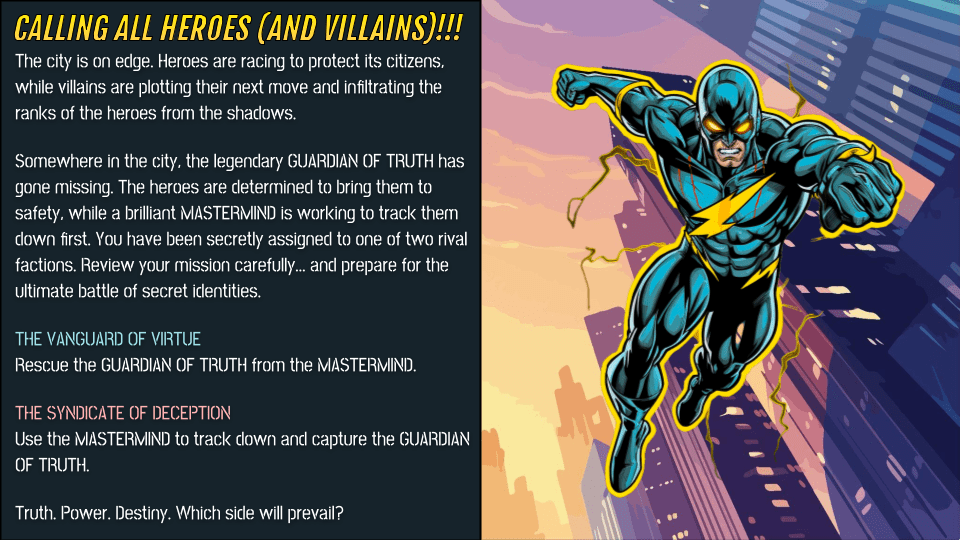
Of course, not every group of students wants to inhabit the same world, so we went a little overboard. Teams and Turncoats launches with TEN different themes spanning ninjas, medieval kingdoms, deserted islands, zombie bunkers, ancient tombs, computer hackers, superheroes, pirates, bounty hunters, and more.
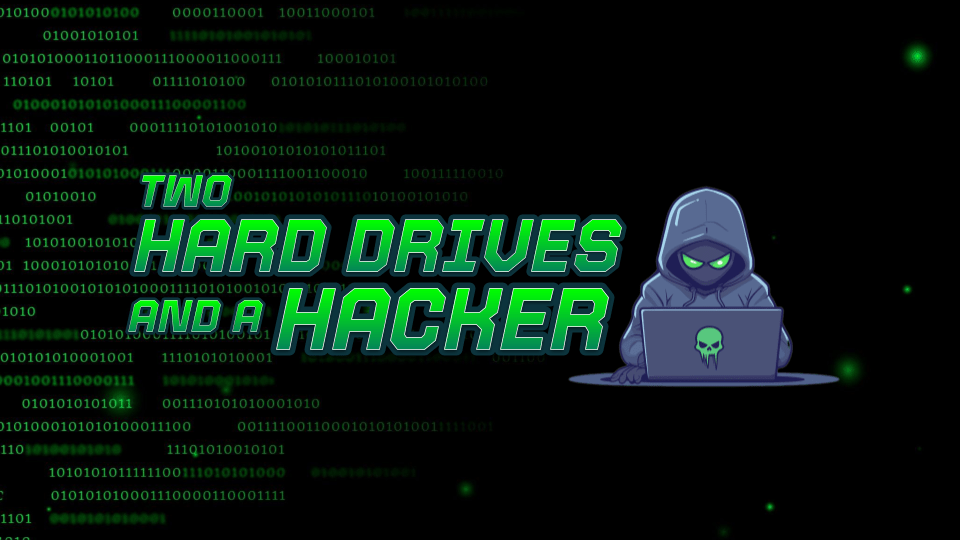
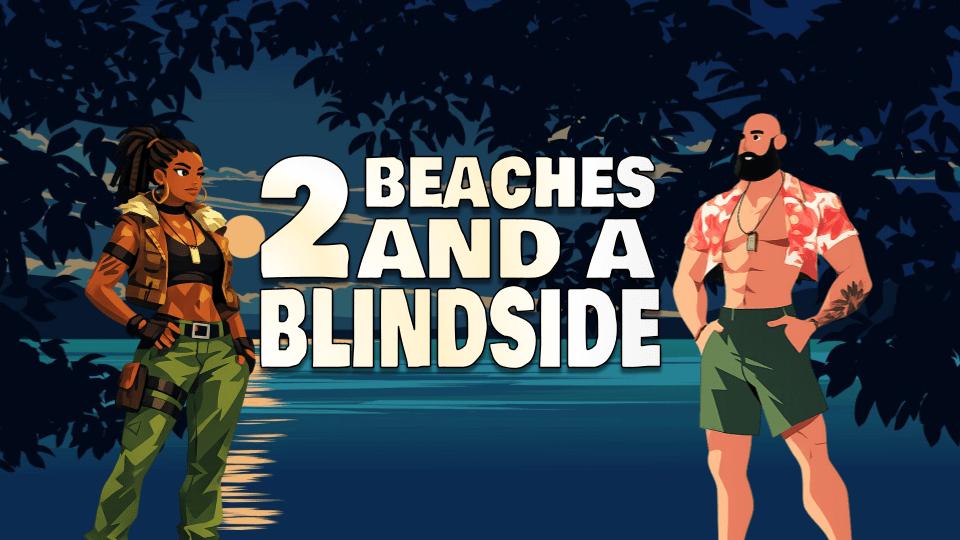
One day your students might be navigating Two Dojos and a Dragon. Another group might prefer the medieval intrigue of Two Thrones and a Traitor, the survival-game energy of Two Beaches and a Blindside, or the digital deception of Two Hard Drives and a Hacker. The worlds change, but the invitation remains the same: figure out what’s happening, figure out who you can trust, and start talking.
That makes Teams and Turncoats flexible enough to pull out when you want to build community, energize a group, create opportunities for purposeful student talk, or simply give your students an experience they’ll still be discussing after the bell rings. We’ll keep the secrets secret. You just pick your world and let the talking begin.